
CAMBRIDGE, MASS. · FEMINIST · EXPERIMENTAL
THIRTEEN YEARS ON STAGE
An experimental company that put feminism, civil rights, and the antiwar movement on the stage — and helped ignite the Second Wave.
A TRIBUTE TO INNOVATION & CHANGE
Theater Can Change the World
“Art is not a mirror held up to reality, but a hammer with which to shape it.”
— Bertolt Brecht, playwright
How to Make a Woman✦Mother Courage✦Caucasian Chalk Circle✦Jason / Medea✦Waiting for Godot✦St. Joan of the Stockyards✦How to Make a Woman✦Mother Courage✦Caucasian Chalk Circle✦Jason / Medea✦Waiting for Godot✦St. Joan of the Stockyards✦
The Story
A theater that made history
Founded in 1965 by Bobbi Ausubel and Stan Edelson, Caravan started on picket lines and American Friends Service Committee bus tours and grew into one of America’s first feminist theaters — a “hatchery” where art and activism incubated together at Harvard Epworth Methodist Church.
13
Years · 1965–1978
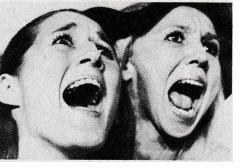
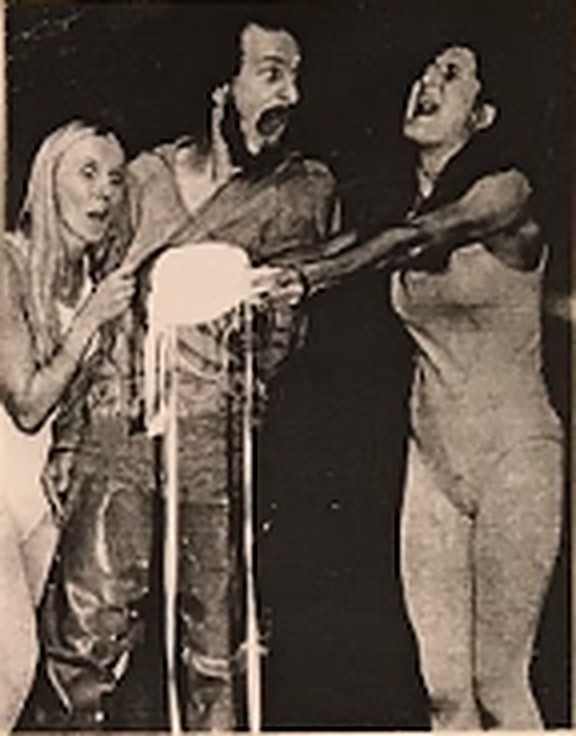
THE PLAY IT’S KNOWN FOR
How to Make a Woman
Two women move through a dress shop run by men — each dress another role society forces on them. Built through months of improvisation and followed by consciousness-raising talkbacks after every show, it’s been called the first play of the modern women’s movement.
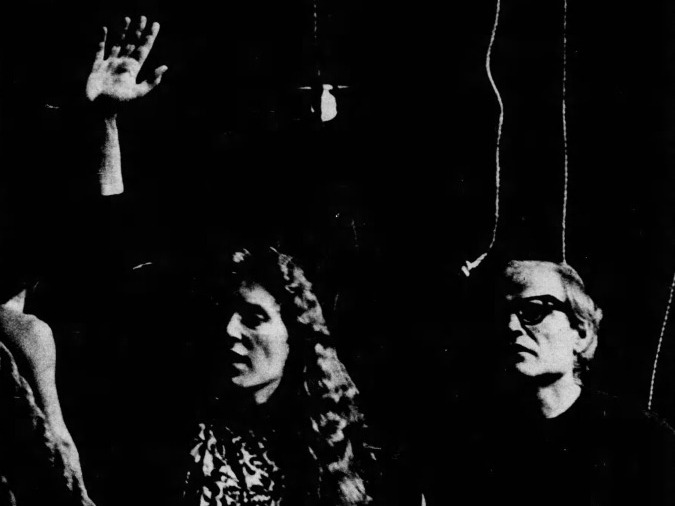
THE PEOPLE
The founders & the company
Bobbi Ausubel and Stan Edelson built Caravan and kept it alive on its values for thirteen years — alongside the actors, directors, and designers who made the work.
IN THEIR OWN WORDS
Actors Share Their Experience
“
It changed us, and it changed anybody who saw it.
Barbara MacKenzie-Wood
“
Caravan was food for thought — a discovery of relationships, of the world, and of how I can contribute.
Aili Paal Singer
“
What’s important is that the audience changes their lives as a result of it.
David Klein
The Collection
From the Archive
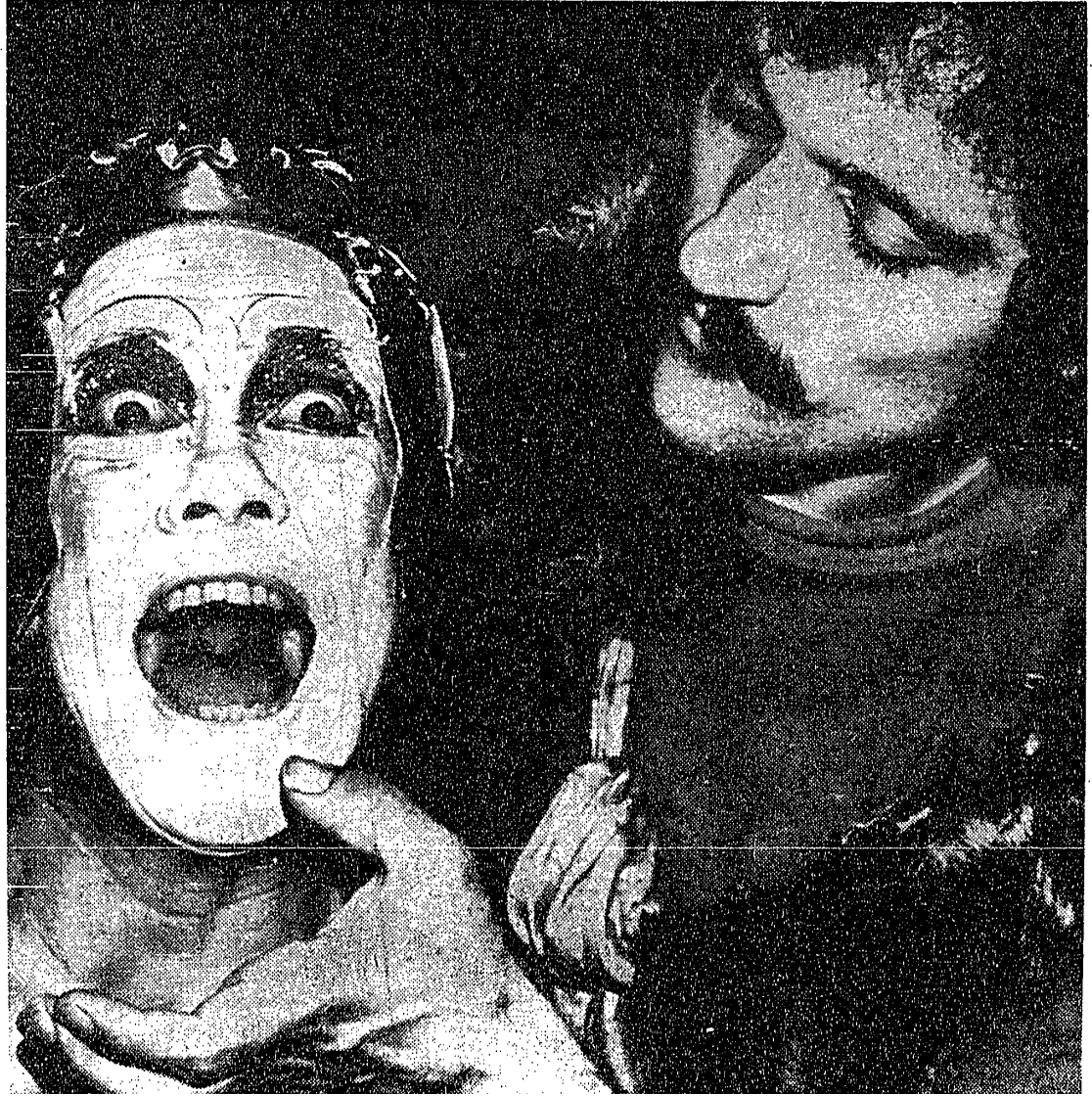
How to Make a Woman
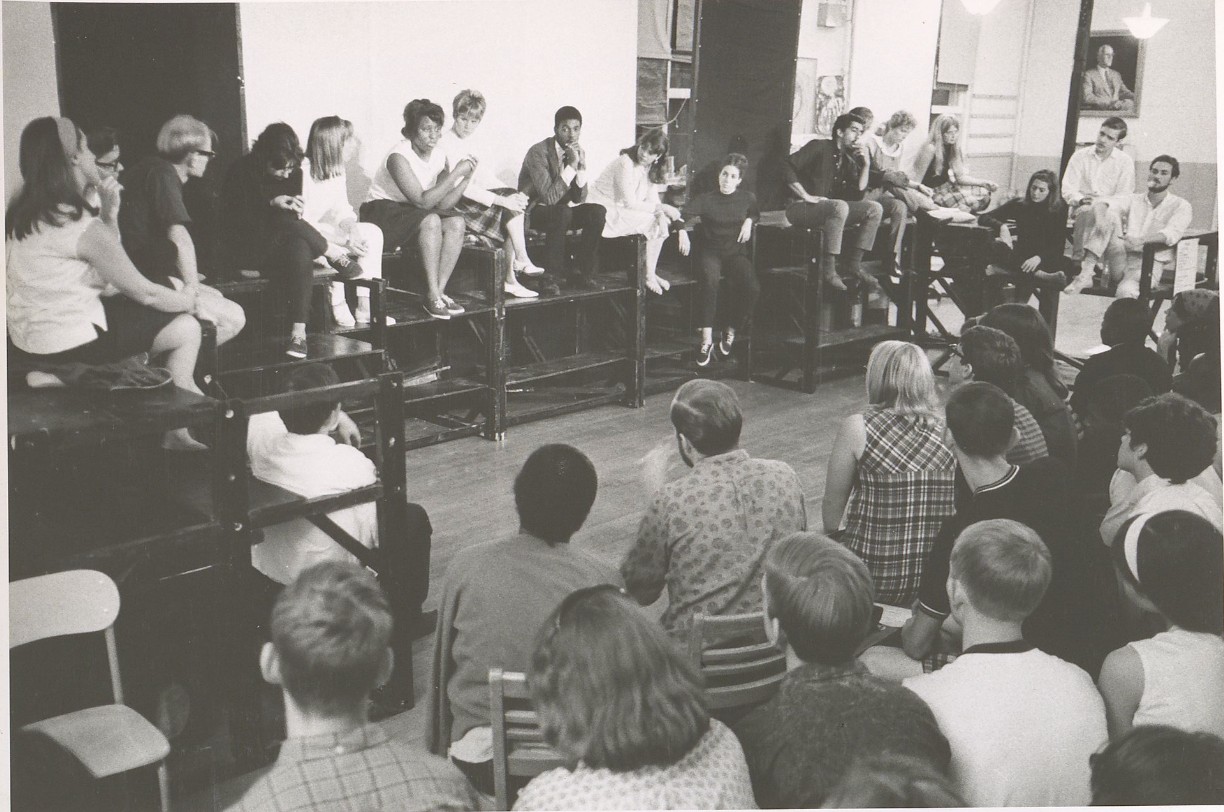
How to Make a Woman
How to Make a Woman
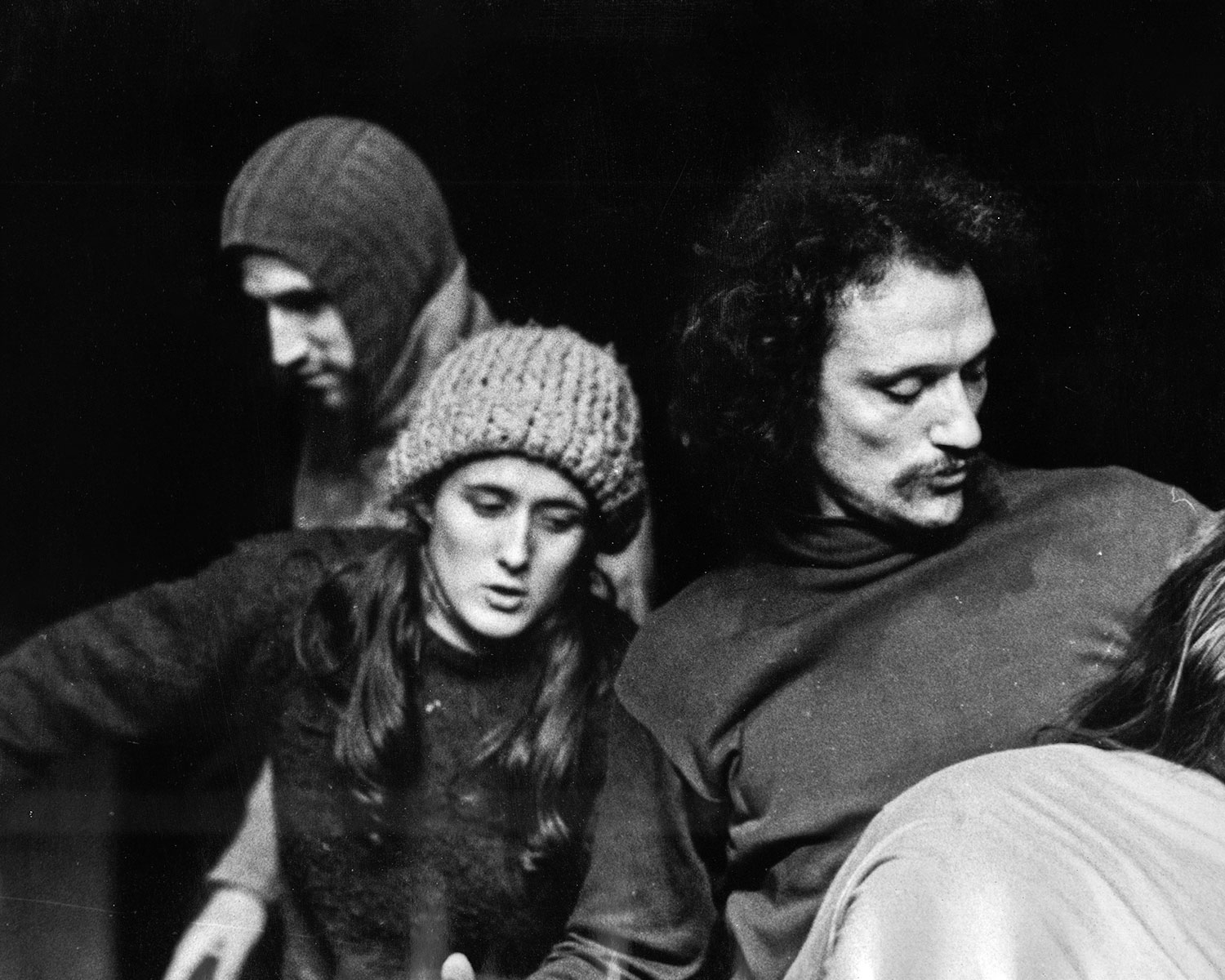
Jason / Medea
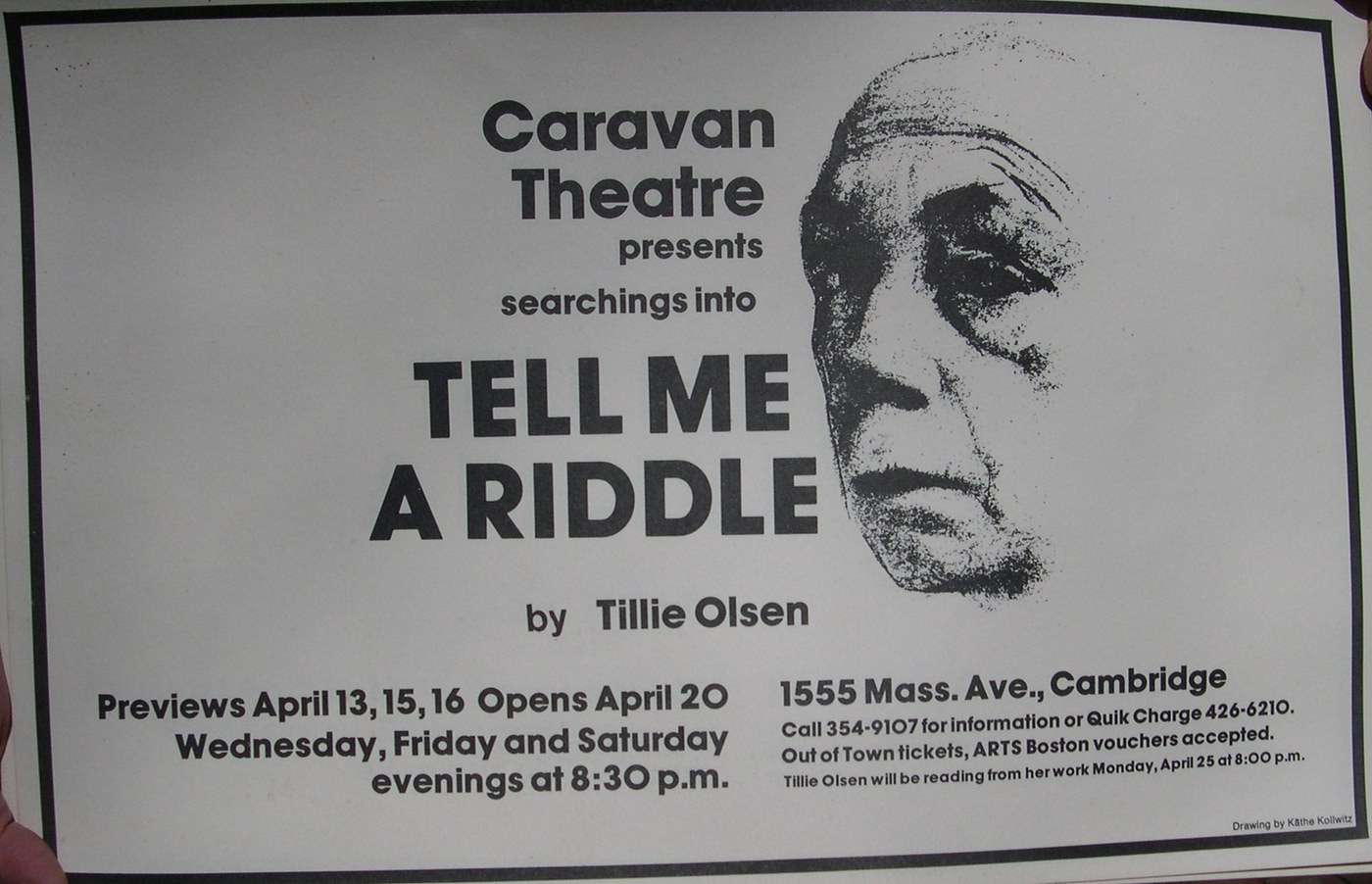
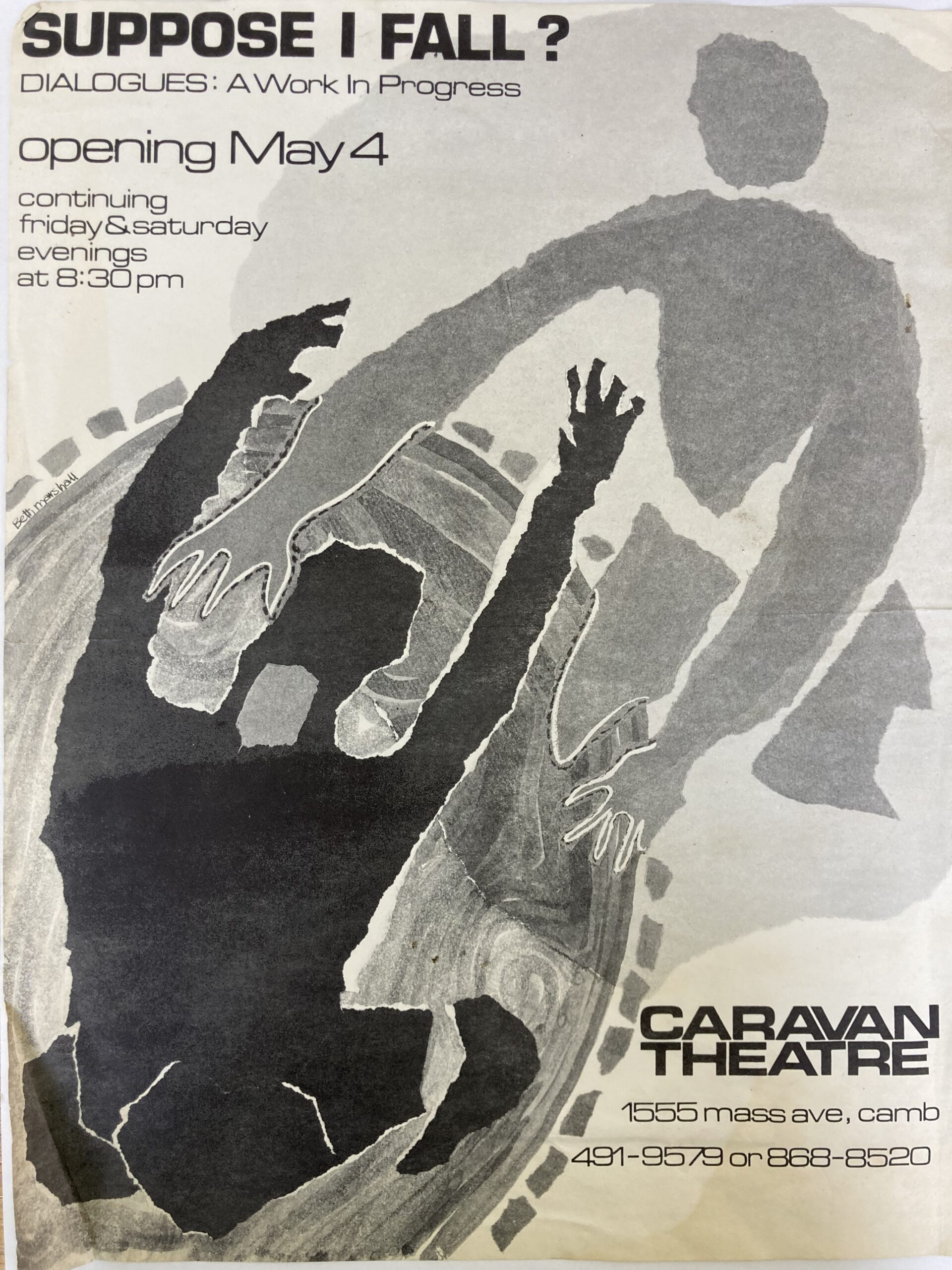
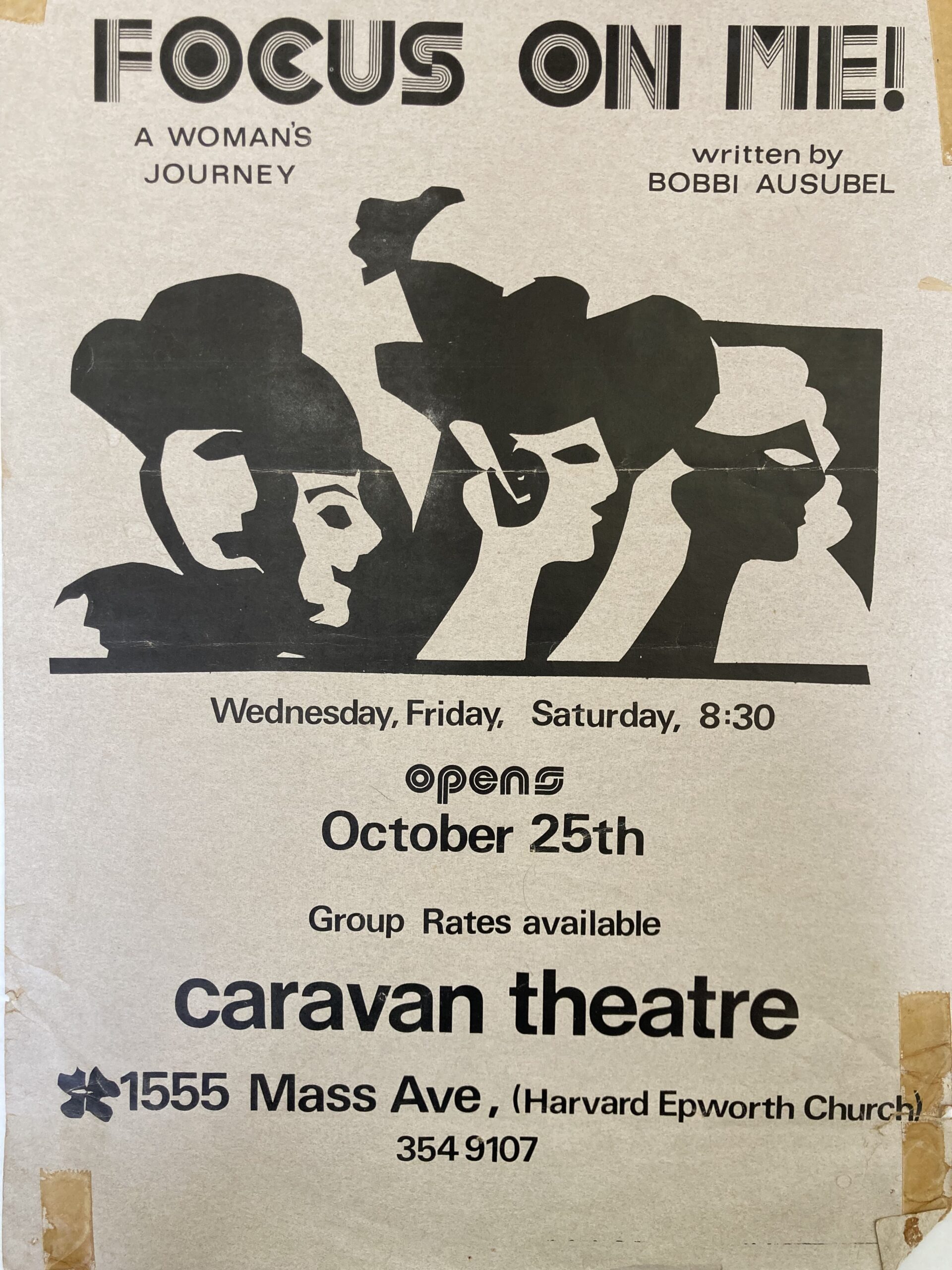
ON FILM & IN PRINT
Capturing the Spirit of Caravan
A film of How to Make a Woman survives, along with fifty years of scripts, posters, and press. Explore the archive — or browse the full repertory and the reviews that covered it.
CREDITS
The website’s text was drafted by Rachael Davis and edited by Eric Singer, Bobbi Ausubel, and Rivka Solomon. Designed and built by Joe Fino. Made possible with the support of True Story Theater.
In memoriam — David Baker, Maggie Helmer, Ann Barclay Priest, Julie Ince, and John Furlong. Read more ›